
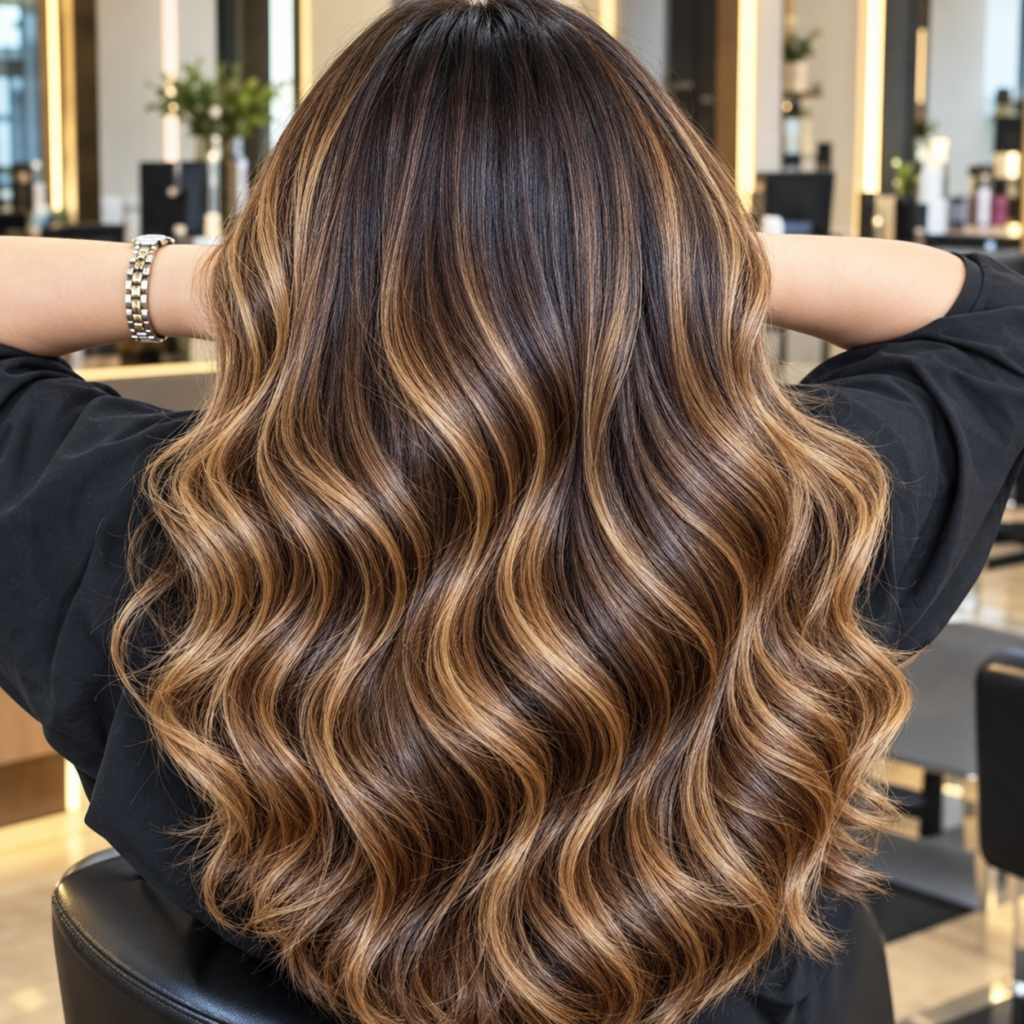
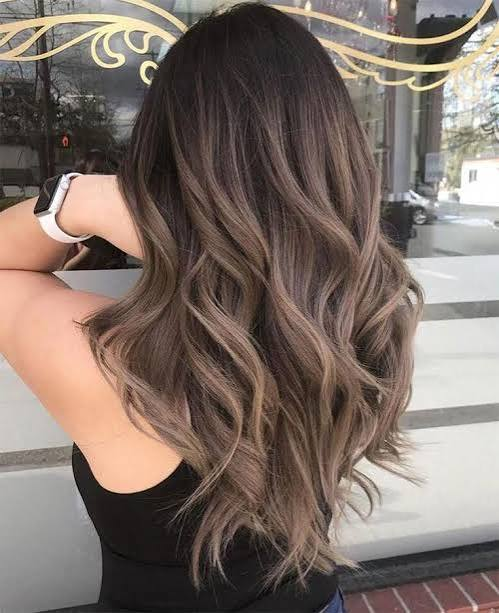
Hair colour is one of the easiest ways to refresh your appearance, enhance your natural features, or completely transform your look. From subtle highlights and balayage to rich global shades and vibrant fashion colours, the right hair colour can add dimension, personality, and style to your overall appearance. However, achieving a beautiful result requires more than simply choosing a shade from a colour chart. Your skin tone, natural hair colour, hair texture, condition, and desired maintenance level all play an important role in selecting the right option.
Professional hair colouring also helps ensure that the colour is applied correctly while keeping your hair’s health in mind. An experienced hairstylist can assess your hair, recommend suitable shades and techniques, and create a look that complements your individual style. Whether you want to cover greys, add dimension with highlights, or experiment with a completely new shade, professional guidance can make the experience more effective and personalised.
At Naomi Headmasters, hair colour services are designed to help clients achieve stylish and personalised results with professional expertise. From selecting the right shade to understanding aftercare, the salon focuses on creating a hair colour look that suits your features, preferences, and lifestyle.
How Do You Choose the Right Hair Colour for Your Skin Tone?
Selecting the wrong hair shade can wash out your complexion and throw off the balance of your entire look. Depending on your taste, a hair colour that suits your skin tone and undertone can be the key to finding a good match.
Hair Colours for Warm Skin Tones
If your skin has warm undertones, then yellow, red or honey-based colours will work for you and bring out your colour. Think caramel brown, honey blonde, warm chocolate, copper or even a barely-there auburn.
Hair Colours for Cool Skin Tones
If you have cool undertones, you’re probably most comfortable in shades with blue or violet undertones. An ash brown, cool chocolate, burgundy, espresso, plum or a shade of blonde can be an effective foil to the cooler complexions.
Hair Colours for Neutral Skin Tones
Those with neutral undertones have the most options as they can pull off warm and cool tones, too. Natural brown, beige blonde, soft caramel, chocolate, burgundy, and balanced brunette shades all work well.
Consider Your Natural Hair Colour
The starting hair colour can make a difference as to how a colour will turn out. You might need to pre-lighten or colour your hair more than once for the colour to be exact, and colours may be easier to achieve on light hair if you are naturally dark or vice versa.
Think About Your Lifestyle and Maintenance
Your colour should also work for your lifestyle. Lower-maintenance choices like balayage or softer highlights are used to create more definition with less touch-ups.
What Are the Different Types of Hair Colour?
There is more to colouring your hair than simply one colour applied to your whole head. The various colouring techniques can leave your hair slightly different, introduce a new dimension, cover your greys or transform you into a new colour altogether. Here’s a rundown on all of the colouring options.
1. Global Hair Colour
A single colour is applied all over the hair to achieve a uniform appearance. Universal colour is great for a grey cover, a change of natural colour, or simply for a glossier, more finished effect. Common colours include brown and black, which can be natural or customised, as well as blonde and burgundy.
2. Hair Highlights
A Highlight is a treatment whereby some parts of the hair are coloured with a colour that either contrasts or matches the base colour. Highlights can be used to add brightness, depth and dimension to the hair without colouring the whole head.
3. Balayage
Balayage is a freehand colouring method that produces a subtle, graduated effect from dark to light. It can be achieved as a subtle, supernatural highlight with a very soft finish.
4. Ombre
Ombre involves a clear transition of colour from the root to the tip of the hair that leaves one colour at the roots and a different lighter or darker colour at the ends. This contrast can be minimal or striking.
5. Babylights
Baby Lites are simply baby fine highlights woven into the hair to give a softer, more natural look. Generally placed around the face and throughout selected areas of the hair to add brightness to the hair.
6. Root Touch-Up
Root touch-ups are targeted at only growing hair and require “special attention to newly grown hair, especially when natural roots start to show” after colour has been applied.
7. Fashion Hair Colour
Think pink, purple, blue, red and even fiery copper shades. You can wear colour all over your head or just add highlights or accent pieces in the colour of your choice. Perfect for those who want a wild, unique look.
8. Grey Hair Colour
Find the right colour to match or cover all grey hair. Depending on the outcome your client wants, you can go for full coverage or create a more natural blend of grey hair with the natural hair.
What Should You Consider Before Getting Your Hair Coloured?
Booking in to get your hair coloured is certainly a great way to reinvigorate your look, but you should take some time to research your options before you do. When you’re booking an appointment for hair colour, you need to think about a few things like your hair condition and your hair colour goals.
Assess Your Hair Condition
Evaluate the condition of your hair prior to any chemical colouring service. If your hair is very dry, dull or damaged from previous colouring or other chemical treatments, your stylist may advise you to restore the condition of your hair prior to using certain colouring techniques.
Consider Your Natural Hair Colour
The existing colour may affect the tone and amount of processing needed. For some lighter or more vibrant shades, pre-lightening may be necessary, whereas for some darker or deeper shades it will be easier to create the colour directly.
Choose a Shade That Complements You
Think about the colour of your skin (not just your face), your eye colour, and your style. Talk with a hairdresser to weigh the options and find a colour that suits your natural colouring.
Think About Maintenance
Some colouring methods demand a higher level of maintenance than others. You might need more frequent root regrowth following global colour, for example, than with balayage and dedicated placement highlights.
Share Your Previous Hair Treatments
Inform your stylist of any previous colouring, bleaching, straightening, keratin treatments or other chemical services. It will inform your stylist of any chemical history and assist them in determining the best way to colour your hair.
How Much Does Hair Colour Cost?
The cost can be very different as it depends on what level of service you require, the length and thickness of your hair, the colouring technique and whether you’re using a new shade of colour or colour developed for the technique you want. A single global colour will be priced differently to a balayage, highlights or fashion colour. As the hair and services vary between clients, pricing is provided upon consultation after viewing the hair.
Factors That Affect Hair Colour Cost
- Type of Hair Colour: Branded global colour, highlights, balayage, ombré & fashion colours will have different prices.
- Hair Length & Thickness: Longer and thicker hair could need larger amounts of product in addition to more time for the application process.
- Colour Care: Visible colour change is achieved through pre-lightening, bleaching or multiple sessions. The colour used to achieve the desired condition.
- Colouring Method: More complex processes, e.g. Balayage, babylights or customised highlights might be a little more labour intensive, requiring more time and skills.
- Products Used: The professional colour and hair-care products used may be a factor in the cost of your treatment.
- Cost of Aftercare and Maintenance: Touch-ups, toning and conditioning treatments, as well as subsequent colour appointments, can increase the overall cost.
Frequently Asked Questions (FAQs)
- What are the best hair colours?
Neutral browns, chocolate, caramel, burgundy, copper and blonde shades can look amazing on Indian skin. Of course, it will also depend on your natural hair colour and the effect you want to achieve.
- How long will the hair colour last?
The duration of colour is affected by the colour type, quality of hair, and how it’s maintained and washed. Permanent colours tend to last the longest; semi-permanent colours and fashion colours will need to be refreshed more often.
- What does professional hair colouring have over colouring your hair at home?
Professional colouring offers colour choice, attention to your individual strand selection and application, as well as advice regarding your hair quality, all of which make for a quality service.
- How frequently do I need to touch up my hair colour?
The amount of maintenance is determined by the colour you choose and how fast your natural roots grow back. Global colour may need more frequent touch-ups compared to balayage.
- What is the difference between balayage and highlights?
These involve the application of colour to areas of the head, such as picking out strands from the roots or sections. These define lighter pieces that appear to be seen through the hair. Balayage is a technique of doing this through the lengths and ends, with a softer, more blended finish.
- How do I keep my hair colour longer?
Apply colour-safe shampoo and conditioner, reduce heat styling, wear a hat when in the sun and follow your stylist’s suggested washing and conditioning routine. Regular salon visits can also help to maintain the colour.
Our Partner Brands


